Glucoamylase for Glucose Syrup and Starch Sweeteners | Sacchera
Learn how Sacchera glucoamylase supports starch saccharification, glucose release, viscosity reduction, and consistent syrup production for industrial sweetener lines.
High DE potentialLow residual dextrinFermentation-ready
Glucoamylase for Glucose Syrup and Starch-Based Sweeteners
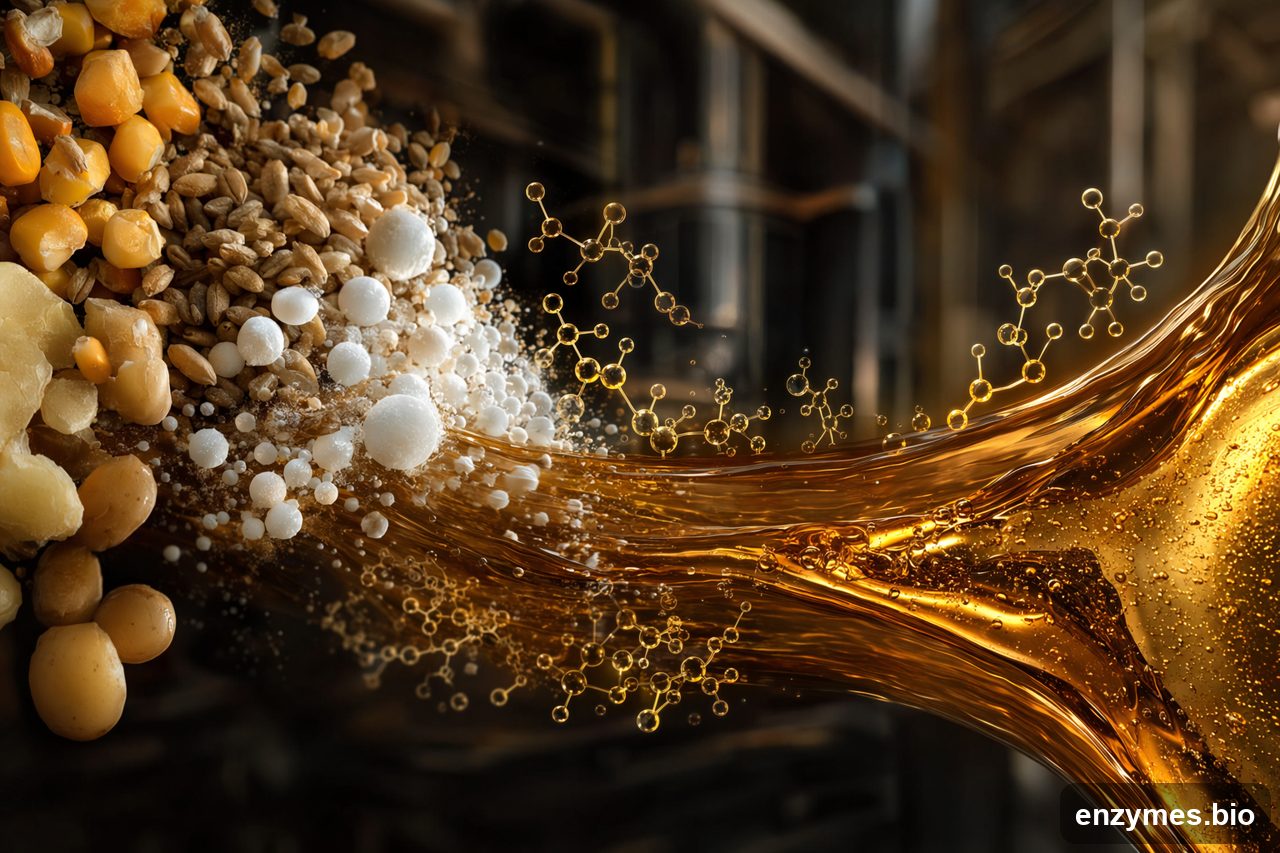
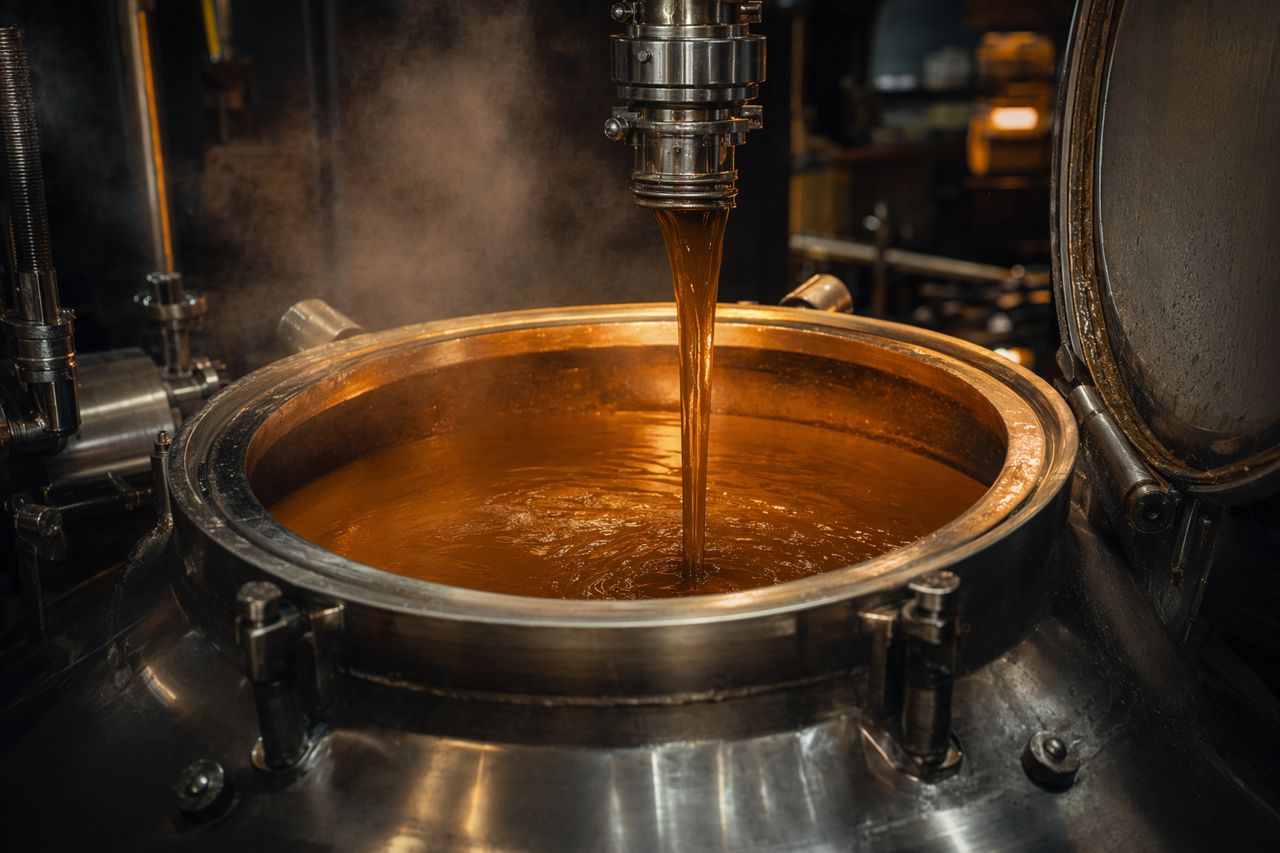
Glucose syrup is built on conversion discipline. After starch is liquefied into shorter dextrins, glucoamylase drives the saccharification stage that turns those dextrins into glucose-rich syrup suitable for refining, evaporation, blending, fermentation, or isomerization.
Sacchera glucoamylase is selected for industrial sweetener processors that need dependable glucose release, controlled viscosity reduction, and repeatable batch economics across corn, wheat, tapioca, potato, and other starch streams.
What glucoamylase does in starch sweetener production
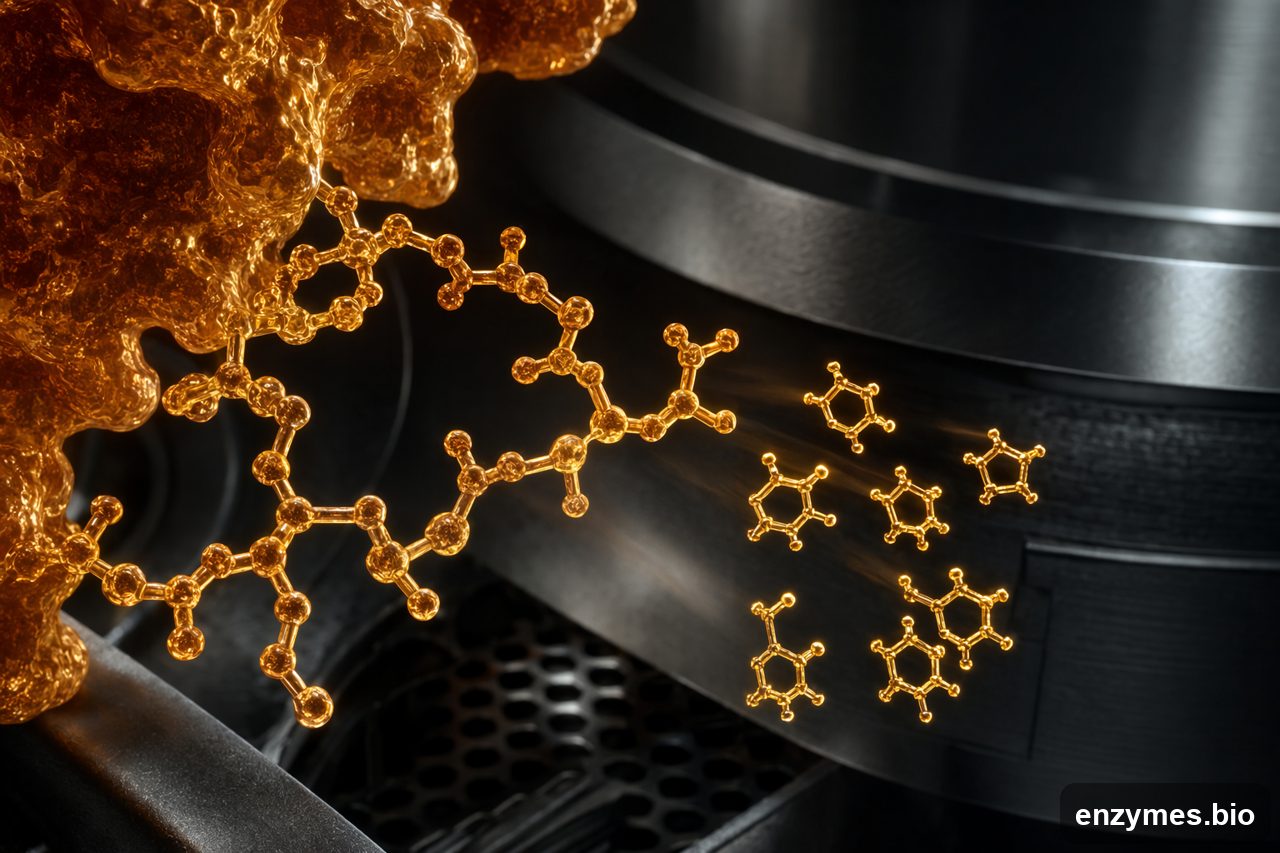
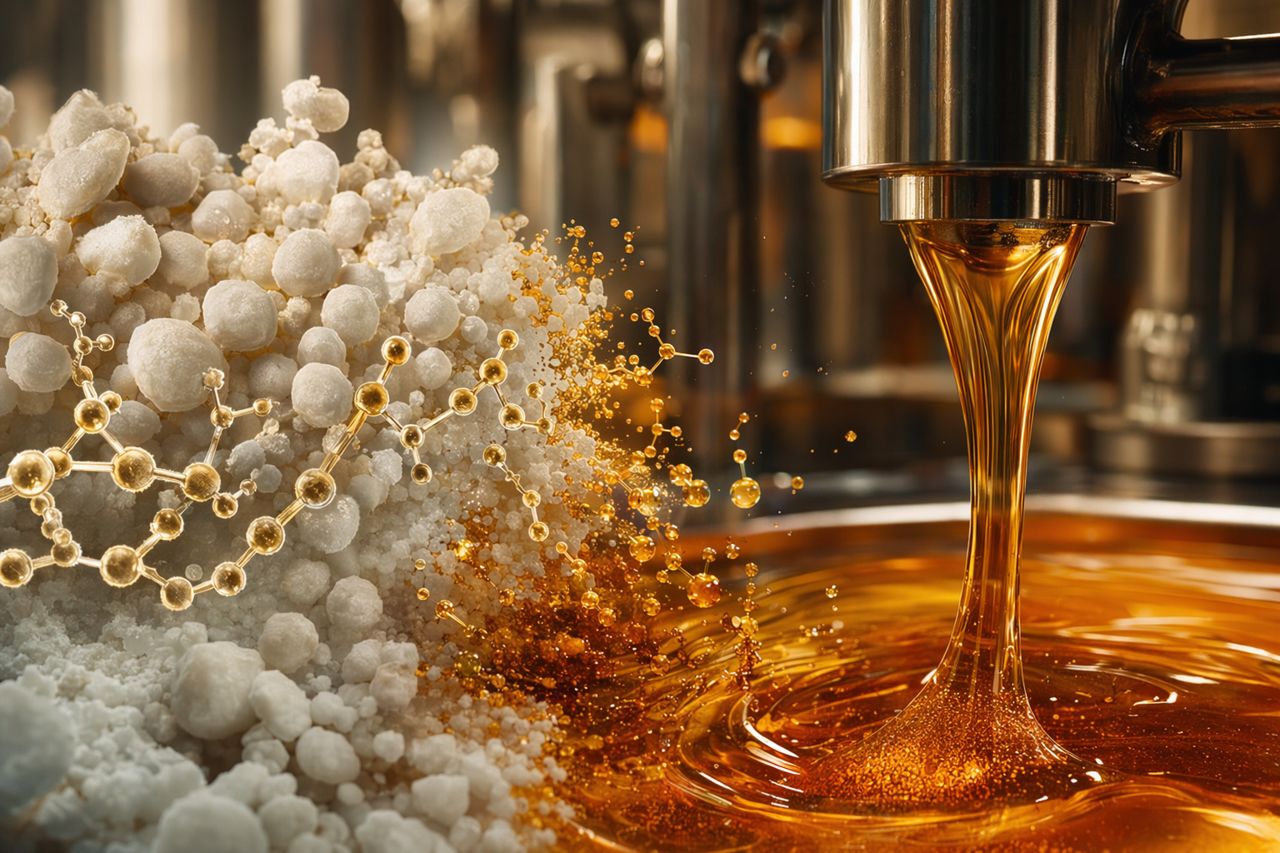
Glucoamylase, also known as amyloglucosidase or glucan 1,4-alpha-glucosidase, releases glucose from the non-reducing ends of starch-derived chains. In a glucose syrup process, it is typically used after liquefaction, where alpha-amylase has already reduced gelatinized starch into dextrins.
The commercial objective is straightforward: move the syrup toward the target sugar profile while keeping the process fluid, filterable, and predictable.
Typical process position
Starch slurry and gelatinization - native starch is hydrated, heated, and prepared for enzymatic breakdown.
Liquefaction - alpha-amylase reduces long starch chains into shorter dextrins and lowers bulk viscosity.
Saccharification - glucoamylase converts dextrins into glucose-rich syrup under controlled hold conditions.
Clarification and refining - insolubles, protein, color bodies, and ions are managed according to final product requirements.
Evaporation, blending, or isomerization - syrup is concentrated or routed into additional sweetener production.
Why sweetener plants specify glucoamylase
For process engineers and commercial teams, glucoamylase is not simply a catalyst. It is a yield-control tool. The right enzyme fit can influence throughput, final dextrose profile, downstream load, and the consistency of finished syrup.
Key production benefits include:
Higher glucose formation from liquefied starch dextrins.
Improved saccharification progression toward the required dextrose equivalent and sugar spectrum.
Lower residual dextrin content when liquefaction quality and hold conditions are aligned.
Viscosity reduction that supports pumping, heat transfer, and filtration.
More consistent syrup behavior for refining, evaporation, blending, or fermentation use.
Support for high-solids operation when the process is properly engineered.
Product targets and application fit
Different plants define success differently. A confectionery syrup line may prioritize body, clarity, and solids handling. A dextrose or fermentation feedstock line may prioritize fermentable glucose and low residual oligosaccharides. An isoglucose or high-fructose syrup line needs a glucose-rich intermediate that is well suited for downstream isomerization.
Production target
What glucoamylase supports
Key operating focus
Glucose syrup
Controlled conversion of dextrins into glucose-rich syrup
DE progression, viscosity, filtration, color control
High-glucose syrup
Strong final glucose release from liquefied starch
Sacchera evaluates glucoamylase selection around the real operating envelope of the line, not a generic laboratory assumption. The same enzyme can perform differently depending on starch source, liquefaction history, solids level, and residence time.
1. Liquefaction quality
Glucoamylase performs best when liquefaction has produced a suitable dextrin profile and manageable viscosity. Poor liquefaction can leave conversion potential locked behind oversized fragments, uneven slurry behavior, or heat-transfer limitations.
2. Substrate source
Corn, wheat, tapioca, and potato starch each bring different gelatinization behavior, protein load, lipid content, mineral profile, and filtration burden. These differences influence saccharification speed and finished syrup handling.
3. Solids loading
Higher solids can improve plant economics, but they also increase viscosity, mixing demand, heat-transfer pressure, and mass-transfer limitations. Enzyme selection and process control should be validated under plant-relevant solids rather than assumed from dilute trials.
4. pH and temperature control
Saccharification performance depends on holding the enzyme within a validated process window. Drift can slow conversion, increase side effects, or create inconsistency between batches. Sacchera can support fit selection against your existing control philosophy.
5. Residence time
The required hold time depends on the target sugar profile and the starting dextrin distribution. Shorter residence time may improve throughput, but final glucose yield and residual dextrin control must still meet product specification.
6. Downstream treatment
Clarification, carbon treatment, ion exchange, evaporation, crystallization, and isomerization all respond to syrup composition. A better saccharification fit can reduce friction downstream, but it must be evaluated as part of the whole process.
Commercial selection criteria
Procurement teams often compare enzymes on price alone. In glucose syrup production, the more useful comparison is total conversion cost: enzyme spend, process time, syrup yield, energy use, filtration behavior, waste load, documentation reliability, and supply continuity.
When qualifying a glucoamylase supply, request clarity on:
Recommended application fit by starch source and syrup target.
Physical form and handling profile.
Batch documentation and traceability.
Food-processing suitability documentation for your market.
Allergen, GMO, and regulatory position where relevant.
Shelf-life and storage guidance.
Packaging format and minimum order planning.
Technical support for plant trial design and scale-up.
Sacchera provides commercially usable guidance without disclosing trader-confidential assay methods or public activity-unit comparisons. Plant validation should be based on your substrate, equipment, residence time, and target syrup specification.
Trial planning for glucose syrup lines
A useful plant or pilot trial should measure more than conversion at one time point. Sacchera recommends a trial plan that follows the syrup through the full operating chain.
Track the following where applicable:
Dextrose progression and sugar spectrum.
Residual dextrin trend.
Viscosity during saccharification.
Filtration rate and cake behavior.
Color development.
Evaporator behavior and fouling indicators.
Final solids and clarity.
Microbial control indicators.
Batch repeatability under normal plant variation.
The best enzyme choice is the one that protects product specification while improving the economics of the actual line.
FAQ
Does glucoamylase replace alpha-amylase?
No. Alpha-amylase and glucoamylase perform different jobs. Alpha-amylase liquefies starch into dextrins. Glucoamylase converts those dextrins into glucose. Most glucose syrup lines need both stages properly controlled.
Can glucoamylase be used with different starch sources?
Yes, but performance should be validated by substrate. Corn, wheat, tapioca, and potato starch can all be suitable, yet each brings different processing behavior and impurity load.
Is glucoamylase only for high-glucose syrup?
No. It is used wherever glucose release from starch dextrins is required, including glucose syrup, dextrose production, fermentation feed preparation, and glucose-rich feed for isomerization.
What information is needed for a quote?
Helpful details include starch source, target syrup profile, process flow, liquefaction conditions, saccharification hold, solids level, packaging preference, annual volume estimate, destination market, and required documentation.
Request a quote
If you are reviewing glucose syrup yield, qualifying a new enzyme supply, or planning a process trial, send Sacchera your brief. We will respond with practical pricing and fit guidance for your line.
Prefer a procurement route first? Use the same form and note get pricing in the process notes.