Glucoamylase vs Beta Amylase: Glucose, Maltose, and Fermentability
Compare glucoamylase and beta amylase for brewing, distilling, and starch processing. Understand glucose versus maltose release, dextrin reduction, fermentability, and process fit.
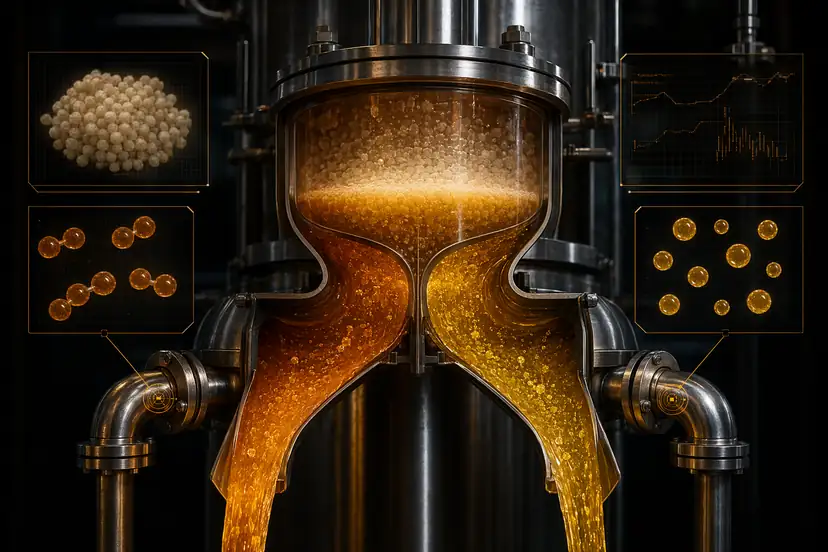
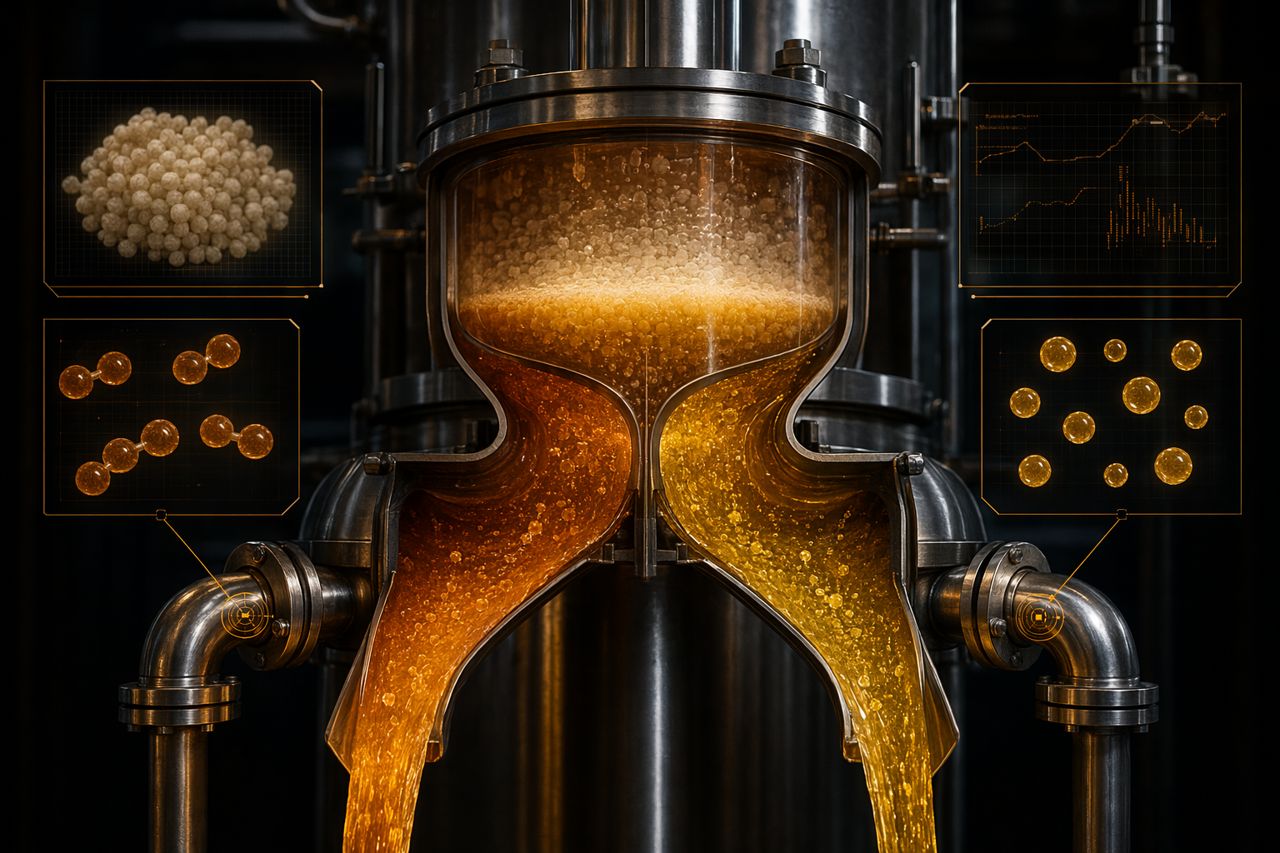
High DE potentialLow residual dextrinFermentation-ready
Glucoamylase vs Beta Amylase: Glucose, Maltose, and Fermentability
In starch conversion, the enzyme choice determines what your process actually makes: glucose, maltose, residual dextrins, or a controlled blend of all three.
Glucoamylase and beta amylase are both saccharifying enzymes, but they are not interchangeable. Beta amylase is a maltose builder. Glucoamylase is a glucose releaser. That difference matters in brewhouse attenuation, distillery yield, syrup profile, viscosity control, and downstream consistency.
Sacchera frames the comparison in practical terms: what each enzyme attacks, what sugars it releases, where it stops, and when a buyer should specify one over the other.
Short answer
Use glucoamylase when the goal is high glucose release, deeper dextrin conversion, higher fermentability, drier finished profiles, or stronger ethanol potential.
Use beta amylase when the goal is a maltose-rich sugar profile, more body retention, or brewing-style fermentability where maltose is the dominant fermentable sugar.
Use both in a designed enzyme system when you need a defined sugar spectrum rather than maximum conversion to one sugar type.
What glucoamylase does
Glucoamylase, also known as amyloglucosidase or glucan 1,4-alpha-glucosidase, works from the non-reducing ends of starch-derived chains and releases glucose step by step.
Its commercial value is that it can continue converting dextrins that beta amylase leaves behind. It acts mainly on alpha-1,4 linkages and can also work through alpha-1,6 branch points more slowly, which makes it useful when the process objective is to reduce residual dextrin and increase fermentable glucose.
Typical process outcomes with glucoamylase
Higher glucose concentration in the saccharified stream
Lower residual dextrin compared with beta-amylase-led conversion
Increased fermentability for yeast processes that readily consume glucose
Lower viscosity as dextrin load is reduced
Drier beer or beverage profiles when used intentionally
Improved ethanol potential in grain, tuber, or starch-based fermentations
More complete starch utilization after liquefaction
What beta amylase does
Beta amylase is also an exo-acting enzyme, but its primary product is maltose, not glucose. It removes maltose units from the non-reducing ends of gelatinized or liquefied starch chains.
The practical limitation is branching. Beta amylase does not effectively pass alpha-1,6 branch points, so it leaves behind beta-limit dextrins. In brewing, that is not always a problem. Those remaining dextrins can support body, mouthfeel, and controlled attenuation. In distilling or glucose syrup production, the same residual dextrin can represent unused carbohydrate and lost yield.
Typical process outcomes with beta amylase
Maltose-rich wort or syrup
Moderate to high fermentability depending on yeast capability
More residual dextrin than glucoamylase-led saccharification
Better body retention in beer compared with aggressive glucoamylase use
Useful contribution to traditional mash conversion when active malt enzymes are present
Less suitable as the sole enzyme where near-complete glucose release is required
Comparison table
Decision factor
Glucoamylase
Beta amylase
Primary sugar released
Glucose
Maltose
Main operating role
Deep saccharification and dextrin reduction
Maltose generation
Branch-point handling
Can work through branch points more slowly
Stops at branch points and leaves limit dextrins
Fermentability impact
Typically increases fermentability strongly
Increases fermentability through maltose production, but leaves more dextrin
Strong fit for ethanol yield and starch utilization
Limited as a sole saccharification strategy
Syrup fit
Glucose-rich syrup and fermentation feedstock
High-maltose syrup profile
Best used when
Maximum fermentable sugar release is desired
A maltose-rich profile is the specification
Brewing: dry finish versus malt structure
For brewers, the glucoamylase versus beta amylase decision is usually about attenuation and sensory balance.
Beta amylase contributes to maltose formation during mashing. That maltose is fermentable by standard brewing yeast, while the remaining dextrins help preserve body. This is why beta-amylase activity is central to many mash programs.
Glucoamylase changes the equation. By converting a broader fraction of dextrins into glucose, it can push attenuation further and create a much drier beer. That can be valuable for:
Brut-style beers
low-carbohydrate beer designs
high-gravity fermentations where extract utilization matters
adjunct-heavy recipes with limited native malt enzyme contribution
process corrections where residual dextrin is higher than target
The risk is over-attenuation or a thinner palate if the enzyme system is not matched to the product brief. For brewing, glucoamylase should be specified with the target finish in mind, not treated as a generic conversion aid.
Distilling: glucose access drives yield
In distilling, the commercial question is direct: how much of the starch-derived carbohydrate becomes fermentable sugar?
Beta amylase can support maltose generation, but it does not provide the same depth of dextrin conversion. Glucoamylase is often the more relevant saccharifying enzyme because it releases glucose and reduces residual dextrin after upstream liquefaction.
For grain, corn, cassava, potato, rice, or mixed-starch substrates, glucoamylase helps convert liquefied starch into a yeast-accessible sugar stream. That can support:
stronger ethanol potential from the same raw material base
more consistent fermentation kinetics
lower residual carbohydrate in stillage
better performance with variable starch feedstocks
clearer accountability between liquefaction, saccharification, and fermentation stages
Where beta amylase is useful, it is usually part of a broader conversion profile rather than the primary route to maximum fermentable sugar.
Starch processing: specify the sugar profile first
Industrial starch processors should begin with the target carbohydrate profile.
If the specification is a glucose-rich syrup or fermentation feedstock, glucoamylase is the more direct fit. If the specification is a high-maltose syrup, beta amylase becomes more relevant, often alongside other enzymes that manage chain length, branching, and viscosity.
A typical starch process may include liquefaction before saccharification. In that sequence, alpha amylase reduces starch into shorter dextrins, then glucoamylase or beta amylase defines the final sugar direction.
The wrong enzyme choice can create commercial problems: syrup outside specification, slower fermentation, higher residual dextrin, filtration issues, or yield drift across batches.
Can glucoamylase and beta amylase be used together?
Yes, when the goal is a controlled sugar spectrum.
A combined approach can be useful when a process needs more fermentability than beta amylase alone can provide, but not the extremely dry or glucose-heavy profile associated with aggressive glucoamylase conversion. The design should account for substrate type, upstream liquefaction, process temperature window, pH window, residence time, microbial compatibility, and the required final carbohydrate profile.
In procurement terms, the question is not simply, “Which enzyme is stronger?” The useful question is, “Which enzyme system makes the sugar profile our process can monetize?”
Selection guide by application
Choose glucoamylase when you need:
maximum glucose release from liquefied starch
higher fermentability for brewing, distilling, or bio-based fermentation
lower dextrin carryover
drier finished beverage profiles
improved ethanol potential
more complete substrate utilization
a glucose-rich syrup or fermentation feedstock
Choose beta amylase when you need:
maltose as the dominant sugar
high-maltose syrup direction
brewing attenuation with more body retention
a less aggressive conversion profile
traditional mash contribution from malt enzyme systems
fermentability without pushing fully toward glucose
Consider a blended enzyme strategy when you need:
defined glucose-to-maltose balance
controlled attenuation rather than maximum attenuation
body retention with improved fermentability
flexible operation across changing starch inputs
a tailored syrup or wort specification
Procurement and process questions to ask
Before buying either enzyme, align the technical and commercial requirements:
What is the target sugar profile: glucose, maltose, or a blend?
Is the process designed for beer, spirits, ethanol, syrup, or another fermentation feedstock?
How much residual dextrin is acceptable?
Is the upstream starch liquefaction consistent?
Does the yeast or microbial system prefer glucose, maltose, or both?
Is the priority yield, sensory profile, viscosity reduction, or product specification?
Will the enzyme be used in saccharification, fermentation, or a combined process stage?
What process conditions must the enzyme tolerate without creating rework or batch drift?
These questions prevent the most common sourcing error: purchasing an enzyme by name without defining the conversion target.
Sacchera perspective
For high-yield starch conversion, glucoamylase is the enzyme that most directly connects dextrin reduction to fermentable glucose. Beta amylase remains valuable when maltose is the specification, especially in brewing and high-maltose syrup contexts.
The right choice is therefore not universal. It depends on whether your process earns value from glucose, maltose, residual body, or conversion completeness.
Sacchera supports B2B buyers evaluating glucoamylase for brewing, distilling, fermentation, and starch-processing applications with commercially grounded specification discussions.
Request a quote or get pricing
Tell us your substrate, process stage, target sugar profile, and application. Sacchera will respond through the site’s own quote workflow with fit, availability, and pricing guidance.