Amyloglucosidase vs. Glucoamylase: Industrial Enzyme Naming Guide
Amyloglucosidase, glucoamylase, and glucan 1,4-alpha-glucosidase often refer to the same starch-converting enzyme. Learn what the names mean for sourcing, specifications, and process selection.
High DE potentialLow residual dextrinFermentation-ready
Amyloglucosidase: Why Glucoamylase Has More Than One Name
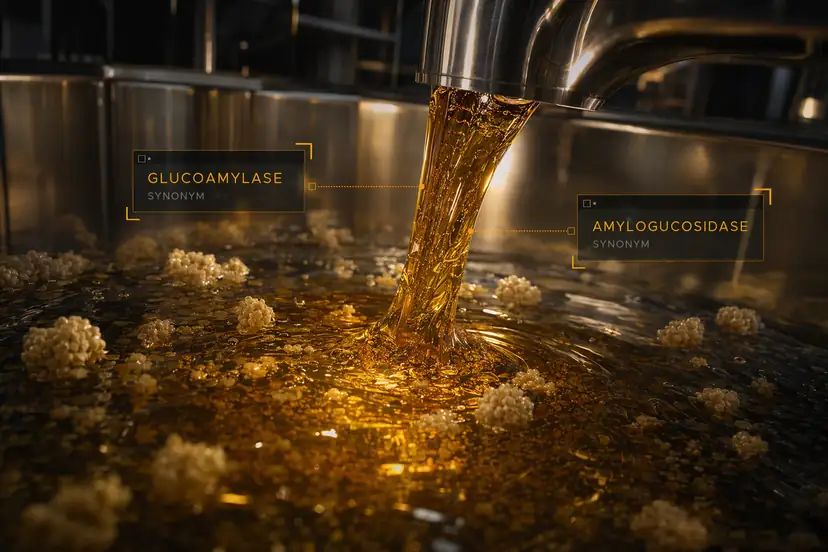
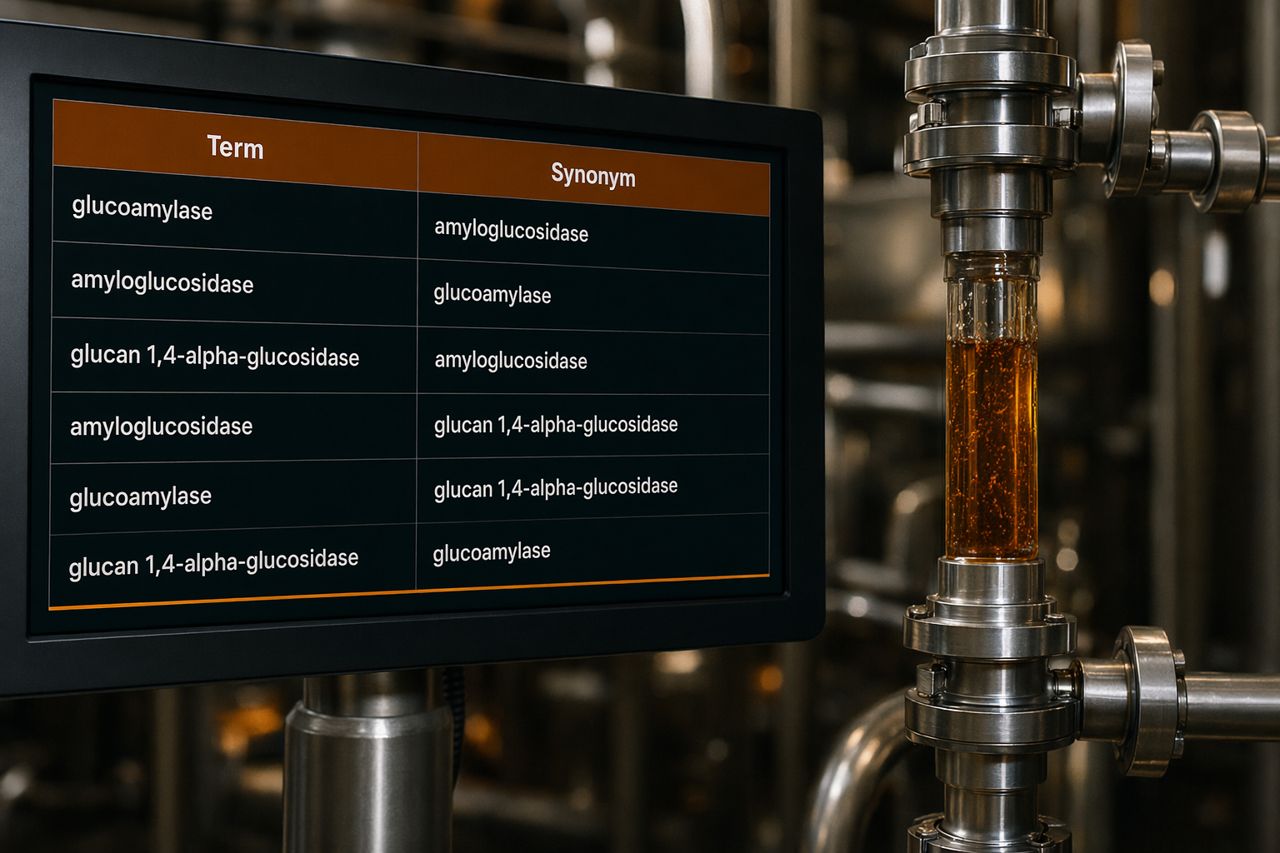
If your specification says amyloglucosidase, your plant team may call it glucoamylase. If an older import document says glucan 1,4-alpha-glucosidase, it may still be referring to the same enzyme class used to convert liquefied starch and dextrins into glucose.
For industrial buyers, the naming issue is not academic. Synonyms can affect purchasing records, customs descriptions, tender language, formulation files, and supplier comparisons. Sacchera keeps the terminology clear so process engineers, procurement teams, and formulation leads can evaluate the right enzyme without losing time to naming friction.
Short answer
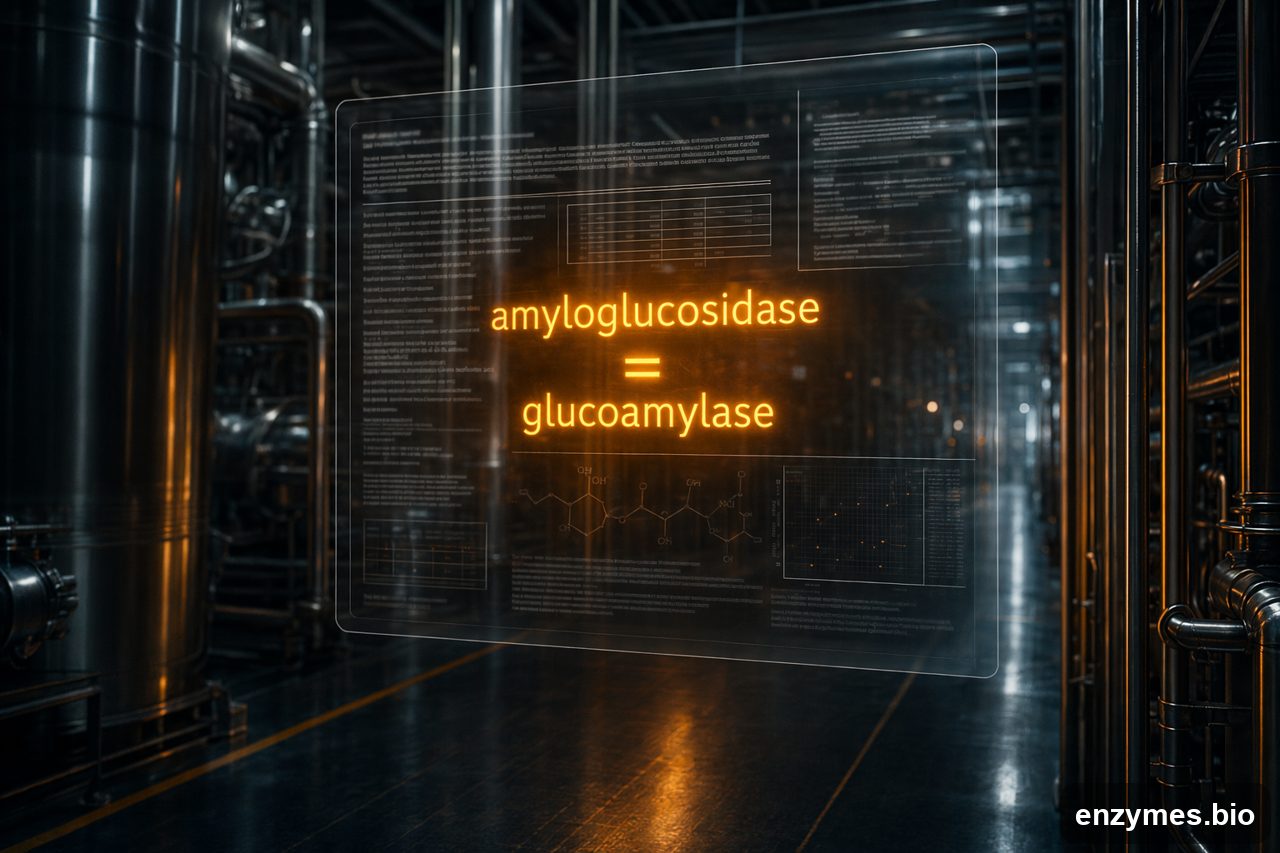
Amyloglucosidase is another common name for glucoamylase.
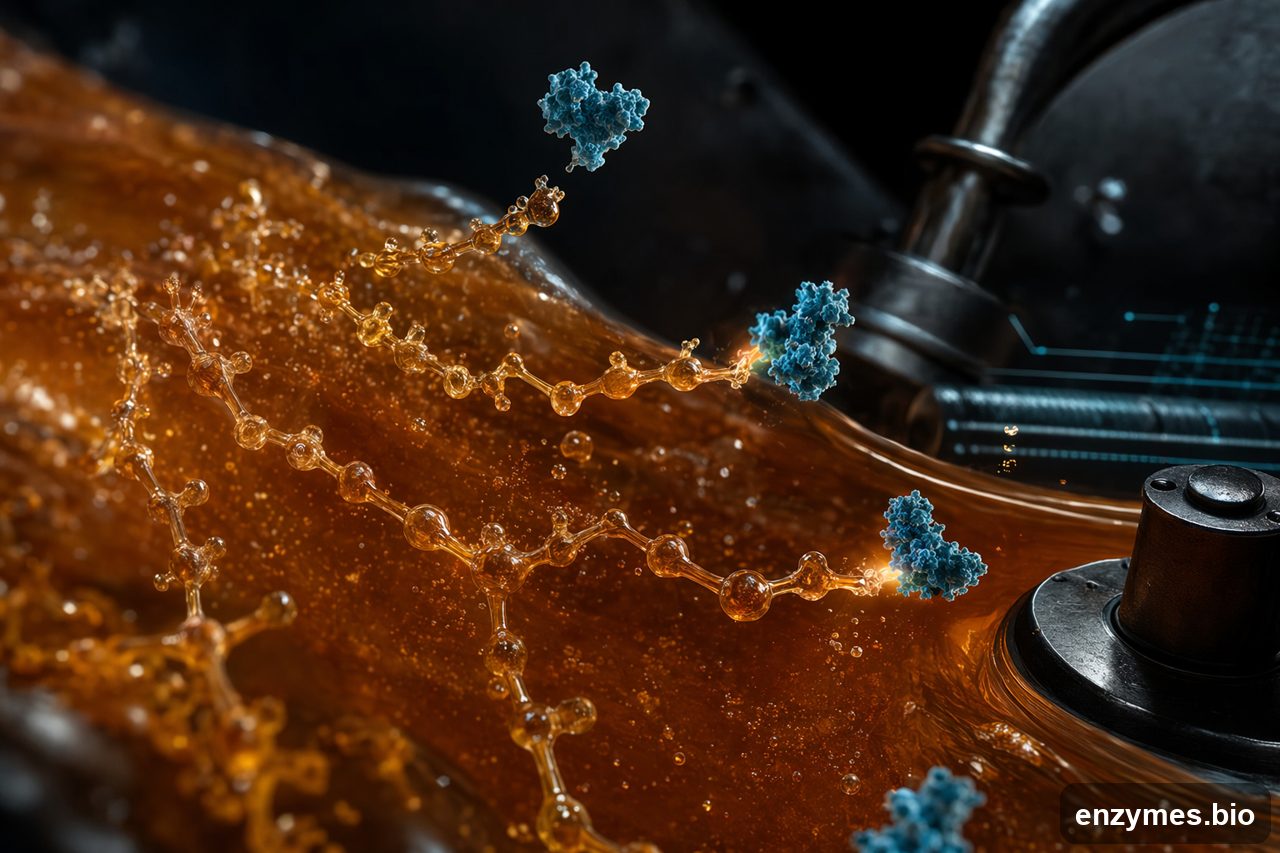
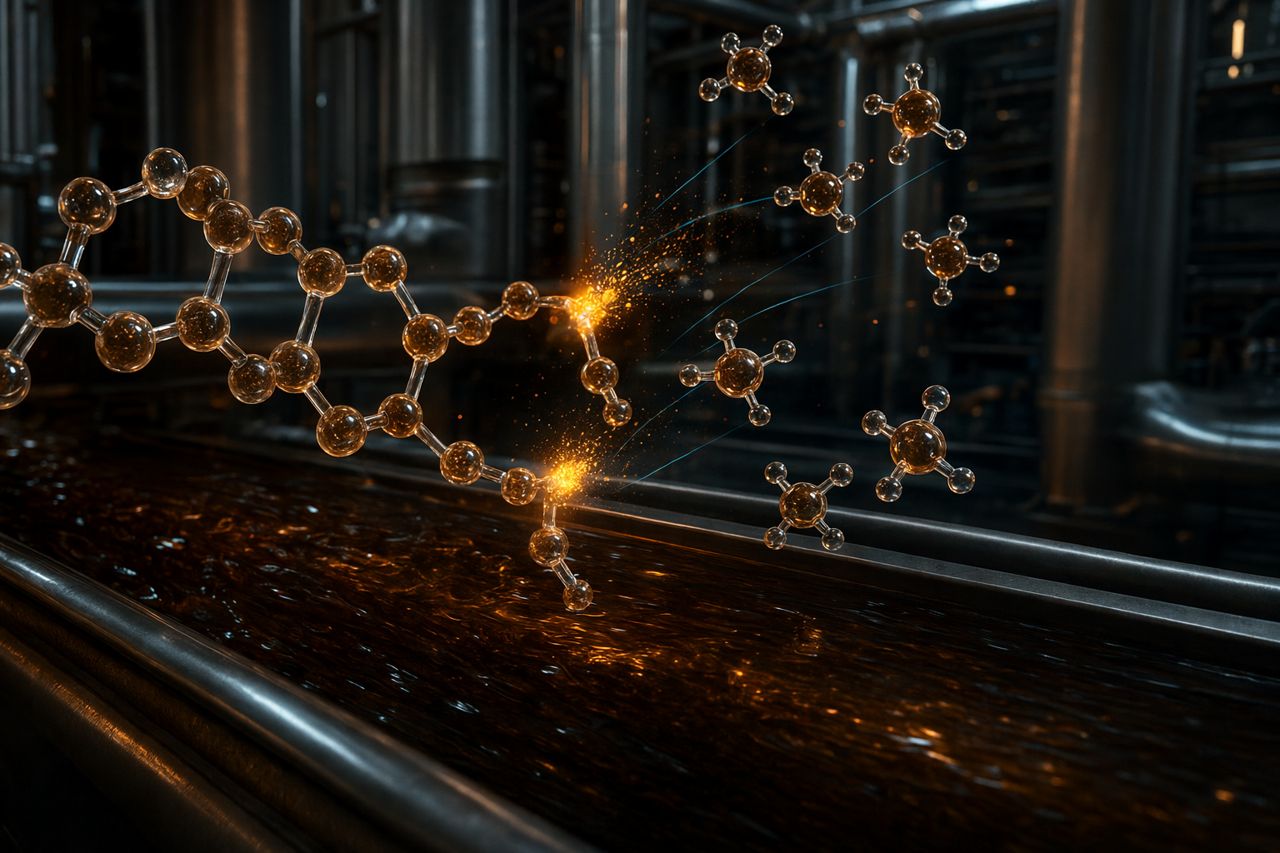
In most B2B starch-processing contexts, the terms are used interchangeably for an exo-acting enzyme that hydrolyzes glucose units from the non-reducing ends of starch-derived chains. It is typically used after starch liquefaction, where dextrins are available for deeper saccharification.
You may see the enzyme listed as:
Glucoamylase
Amyloglucosidase
Amyloglucan hydrolase
Glucan 1,4-alpha-glucosidase
Starch glucohydrolase in some legacy references
The practical question is not which synonym appears first. The practical question is whether the enzyme profile fits your substrate, pH window, temperature hold, process time, and downstream product target.
Why do multiple names exist?
Industrial enzymes often inherit names from different sources: biochemical nomenclature, supplier catalogs, plant shorthand, academic literature, and regulatory documentation. Glucoamylase is no exception.
Glucoamylase
This is the name most widely used in starch conversion, fermentation feed preparation, syrup production, brewing, distilling, and related industrial applications. It emphasizes the production of glucose from starch-derived carbohydrates.
Amyloglucosidase
This name is common in technical literature and many specifications. It describes the same core function: glucose release from amylose, amylopectin fragments, maltodextrins, and other dextrinized starch streams.
Glucan 1,4-alpha-glucosidase
This more formal name describes the bond type and enzymatic action. It is useful in classification systems but less common in day-to-day plant conversations.
What amyloglucosidase does in starch processing
Amyloglucosidase works after starch has been gelatinized and liquefied into soluble dextrins. Instead of randomly cutting starch chains in the middle, it acts from chain ends and releases glucose step by step.
In commercial saccharification, that activity supports:
Higher fermentable sugar release from liquefied starch
Lower residual dextrin in glucose-focused conversion processes
Reduced viscosity as carbohydrate chains are shortened
More consistent feedstock for fermentation
Improved control of saccharification endpoints
Better alignment between raw material input and final yield targets
Glucoamylase can also act on branch points more slowly than straight chain linkages, which is one reason substrate quality, liquefaction profile, and process conditions matter. A name match alone is not a performance match.
Where the synonym matters in procurement
Terminology mismatches often appear when a buyer is comparing legacy specifications to current supplier documents. One vendor may quote glucoamylase, another may list amyloglucosidase, and an internal formula may use a third term.
For purchasing teams, the safe approach is to standardize the functional description:
Enzyme class and synonym set
Intended substrate and application
Process pH and temperature range
Hold time or residence time
Required conversion target
Compatibility with upstream liquefaction enzymes
Compatibility with downstream fermentation, filtration, evaporation, or blending
Packaging, storage, and shelf-life requirements
This prevents false comparisons where two documents use different names for a similar enzyme, or the same name for products with different process behavior.
Common industrial applications
Glucose syrup and starch sweeteners
Amyloglucosidase is used to drive saccharification toward glucose-rich syrups. The right enzyme selection helps manage conversion depth, residual dextrin, viscosity, and consistency from batch to batch.
Fuel and beverage alcohol fermentation
In ethanol and distilled spirits production, glucoamylase supports fermentable sugar release from cooked and liquefied grain or starch substrates. Better saccharification can improve fermentation reliability and reduce unconverted carbohydrate load.
Brewing and adjunct conversion
In brewing-related applications, amyloglucosidase may be used where deeper attenuation or conversion of dextrins is required. Selection should be aligned with flavor target, fermentability, process timing, and regulatory requirements.
Specialty starch processing
Formulators may use glucoamylase in controlled carbohydrate modification where glucose generation, viscosity change, or defined saccharification behavior is required.
How to read a specification that says amyloglucosidase
When a document uses the term amyloglucosidase, confirm the following before treating it as a direct replacement for another glucoamylase product:
Application fit — syrup, fermentation, brewing, or specialty conversion.
Substrate fit — corn, wheat, cassava, rice, potato, or mixed starch streams.
Process conditions — pH, temperature, solids level, and residence time.
Formulation format — liquid or granulated product, with handling requirements matched to plant practice.
Downstream compatibility — fermentation organism, filtration behavior, evaporation load, or final product specification.
A synonym confirms the enzyme family. It does not confirm that the exact product is optimized for your plant.
What Sacchera means by glucoamylase
Sacchera uses glucoamylase as the primary commercial term and recognizes amyloglucosidase as a key synonym. Our guidance is built for industrial decision-making: what the enzyme does, where it fits, how it affects yield, and what information is needed for a credible quotation or plant trial.
We avoid vague claims. A suitable glucoamylase recommendation depends on your feedstock, liquefaction profile, process window, target conversion, and operational constraints. The best result comes from matching enzyme behavior to the job, not from matching a label on a document.
Quick synonym reference
Term on document
What it usually means
Buyer note
Glucoamylase
Common industrial name
Preferred term for most starch conversion discussions
Amyloglucosidase
Common synonym
Often interchangeable with glucoamylase in specifications
Glucan 1,4-alpha-glucosidase
Formal descriptive name
May appear in technical or regulatory references
Amyloglucan hydrolase
Legacy or technical synonym
Confirm application and product profile before substituting
FAQ
Is amyloglucosidase the same as glucoamylase?
In most industrial contexts, yes. Amyloglucosidase is a widely used synonym for glucoamylase. Always confirm the application and product profile before treating two supplier products as equivalent.
Why does my supplier document use amyloglucosidase instead of glucoamylase?
Different suppliers and technical teams use different naming conventions. Amyloglucosidase is common in technical documentation, while glucoamylase is common in commercial starch-processing language.
Can I replace one glucoamylase with another if the synonym matches?
Not automatically. Products can differ in operating range, stability, formulation format, and performance in specific substrates. A process review or plant trial is the correct basis for substitution.
What information should I provide for pricing?
Provide the starch source, application, process pH and temperature window, solids level if available, target conversion or fermentation goal, packaging preference, estimated monthly demand, and destination market.
Request a quote or get pricing
If you are reviewing a tender, reformulating a process, or translating an amyloglucosidase specification into a current glucoamylase requirement, Sacchera can help define the right commercial fit.